The line on our trust page
"Every product is sourced through verified suppliers and channels. We do not operate as an open marketplace, items must qualify before they are considered."
The second half of that sentence is the expensive one. An open marketplace is a growth engine: anyone with stock can list, so the catalog widens faster than any sourcing team could. Giving that up is a decision, not a limitation we stumbled into, and the FAQ on our trust page names what it is meant to protect. Five things. Here is each one in the shape it actually takes on this site.
Sourcing quality
A supplier is screened before we work with them, and a piece has to qualify before it is considered. That is two filters, and they run in order: the relationship first, then the item.
The practical effect is that a bad supplier ends a category of problems rather than one listing. When the channel itself is the variable you control, you are not auditing individual pieces for the same defect over and over.
Inventory verification
Condition, origin and authenticity get disclosed on every product page before you can buy. That is only possible if someone has held the item, or its paperwork, before the page goes up.
An open marketplace publishes descriptions written by whoever is selling. We publish them after the check, which is why the authentication steps come in a fixed order and why the origin on a piece is a country rather than "imported".
Pricing fairness
In a marketplace, price is a race and the seller with the thinnest margin sets the floor. Here the window sets it: every piece in a drop is priced for that window, members of a tier see the same member price in the same period, and nobody is competing with a stranger listing the same item underneath.
That stability is also what makes a membership coherent. If prices moved hourly, member pricing would mean nothing.
Exclusivity
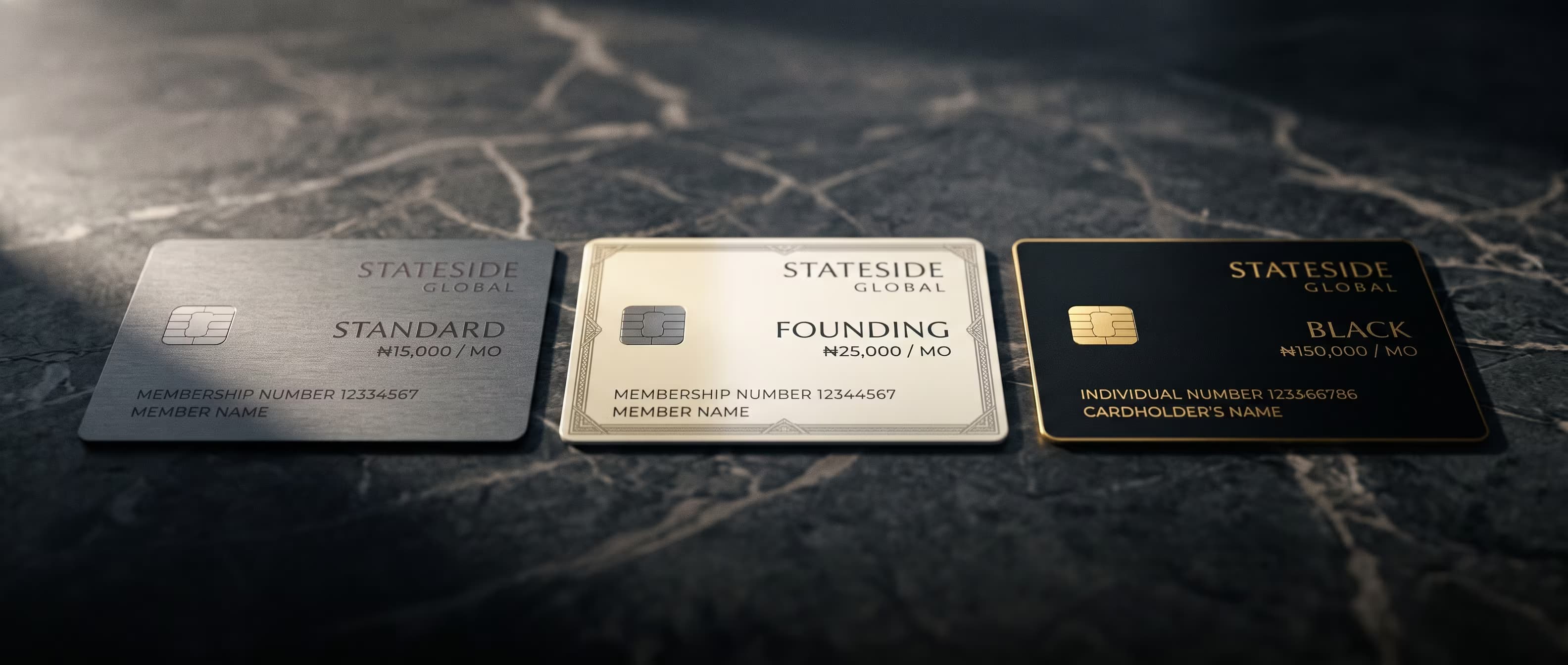
Fifth & Main is the clearest case. It is the luxury division, and the full gallery is open to Black members with a 24-hour head start on the public window; Founding members get the hub link and luxury pieces on the normal drop grid; Standard gets neither.
Exclusivity of that kind is a supply decision before it is a membership benefit. You cannot gate a gallery you filled by letting anyone list into it.
Demand management
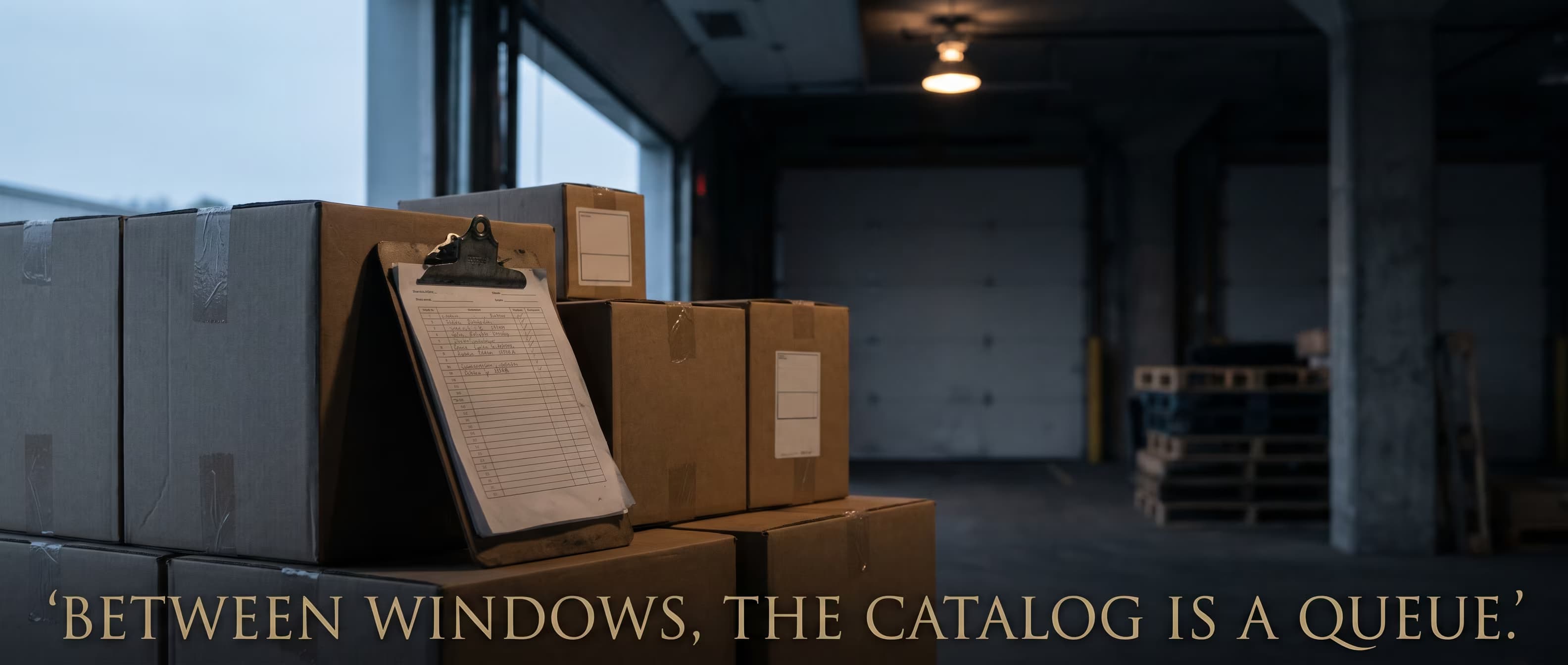
The catalog is only reachable for a published window: monthly releases run from the 5th to the 12th, and a special release can be longer, like the 11-day Black Friday drop. When the window locks, unsold pieces go back to the vault or the Archive rather than sitting on an open page at a discount.
A closed window turns buying into a queue you can plan for. It is how a small sourcing team confirms each allocation and contacts you with shipping details inside 24 to 48 hours, and how a 7 to 21 business day DHL delivery stays a real number instead of a promise.
Key takeaways
- Suppliers are screened first, then individual pieces have to qualify. Two filters, in order.
- Disclosed condition, origin and authenticity are a consequence of checking before listing, not a policy on top of it.
- Pricing, tier access and delivery windows are all set by the same thing: the catalog closes.
- The cost is reach. An open marketplace would grow faster and we would control less of what arrives.